









Introduction: Daniel Loeb and Tilda Swinton
Daniel Loeb and Tilda Swinton are known for their achievements in two very different fields: finance and cinema. Loeb has built his reputation as an influential investor and the founder of Third Point, while Swinton has become internationally recognised for her distinctive performances and unconventional approach to filmmaking. Although their professional lives belong to separate worlds, their names offer an opportunity to explore how influence, creativity, ambition, and public identity operate in modern society. Understanding their individual careers also helps explain why people are interested in the lives and connections of prominent public figures.
Who Are Daniel Loeb and Tilda Swinton?
Daniel Loeb is an American investor and philanthropist who established Third Point, an investment firm known for its activist investment strategy. Over the years, he has attracted attention for his involvement in corporate governance, business strategy, and financial markets. Tilda Swinton, meanwhile, is a British actor celebrated for her versatility, artistic independence, and willingness to work across mainstream productions and experimental cinema.
| Public figure | Profession | Known for |
|---|---|---|
| Daniel Loeb | Investor and philanthropist | Founder of Third Point and activist investing |
| Tilda Swinton | Actor and artist | Distinctive film performances and collaborations with independent filmmakers |
Despite their different professions, both have developed recognisable public identities. Loeb is associated with strategic thinking and shareholder activism, whereas Swinton is associated with experimentation, transformation, and artistic expression.
Daniel Loeb’s Career and Influence in Finance
Daniel Loeb established Third Point in 1995, building an investment business that became known for examining corporate performance and challenging company leadership when he believed changes were necessary. Activist investors typically purchase stakes in companies and seek changes they consider capable of improving shareholder value. Consequently, their work can attract attention from executives, investors, journalists, and financial analysts.
Loeb’s public profile has also been shaped by his direct communication style and participation in debates about corporate strategy. However, activist investing is not without controversy. Supporters argue that it can encourage accountability and improve the use of corporate resources, while critics question whether some campaigns place too much emphasis on short-term financial returns. Therefore, Loeb’s career illustrates the wider debate over how businesses should balance immediate shareholder expectations with long-term development.
Tilda Swinton’s Artistic Journey
Tilda Swinton has developed a career that resists easy categorisation. Born in London in 1960, she became associated with independent filmmaking before reaching a broader international audience through a range of critically acclaimed and commercially successful productions. Her work includes collaborations with director Derek Jarman, as well as appearances in films such as Orlando, Michael Clayton, and The Grand Budapest Hotel.
Furthermore, Swinton is known for choosing roles that challenge conventional expectations of gender, identity, appearance, and performance. She has moved between experimental projects and major studio productions without abandoning her interest in unusual characters. Her Academy Award for Best Supporting Actress for Michael Clayton in 2008 marked an important milestone, yet her career extends well beyond awards. Ultimately, her artistic reputation rests on her willingness to take creative risks and work with filmmakers who approach cinema as a form of exploration.
Two Different Forms of Public Influence
Comparing Daniel Loeb and Tilda Swinton reveals how influence takes different forms depending on the environment in which a person works. In finance, influence may be expressed through investment decisions, shareholder proposals, corporate negotiations, and the allocation of capital. In cinema, it can emerge through performance, creative collaboration, cultural representation, and the stories audiences encounter.
Nevertheless, neither profession operates independently of public perception. Investors must communicate their strategies to stakeholders, while actors navigate interviews, reviews, publicity, and audience expectations. In both cases, reputation can shape professional opportunities. The difference lies in how that reputation is established: Loeb’s is primarily connected to financial decisions and business outcomes, whereas Swinton’s is linked to artistic choices and the lasting impact of her performances.
Why Their Names May Appear Together
The phrase Daniel Loeb and Tilda Swinton may prompt readers to investigate whether the investor and actor share a personal, professional, or social connection. However, their individual prominence does not establish that such a relationship exists. A responsible account must distinguish documented information from speculation, particularly when discussing the private lives of living public figures.
Search engines sometimes bring together names from unrelated backgrounds because readers encounter them in the same discussion, article, database, or online search. In addition, celebrity-related searches can reflect curiosity about social networks, relationships, philanthropy, or cultural events. Without reliable reporting that directly connects Loeb and Swinton, it would be misleading to invent a shared history or imply a personal association.
Public Image, Privacy, and Online Curiosity
Modern audiences often expect to find immediate answers about prominent individuals. As a result, searches involving two well-known names can create expectations that a meaningful connection must exist. Yet online visibility is not proof of a relationship, and repeated search results do not necessarily represent independent confirmation.
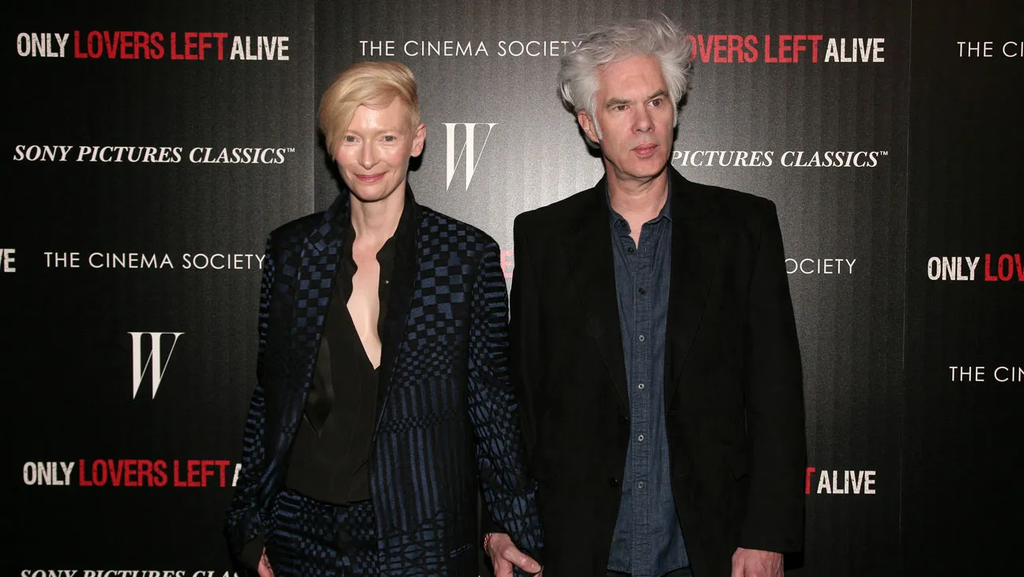
This distinction matters because public figures retain a legitimate interest in personal privacy. Their professional achievements may be discussed using public records, interviews, and credible reporting, but claims about their relationships require separate evidence. Moreover, responsible editorial writing should avoid presenting assumptions as established facts simply to make a story more engaging.
In the case of Daniel Loeb and Tilda Swinton, the most useful approach is to examine their independently documented careers while remaining cautious about any alleged connection. This method provides readers with context without turning curiosity into unsupported biography.
The Broader Meaning of Success in Different Fields
Loeb and Swinton also illustrate how success is measured differently across professional cultures. In investment management, performance is often assessed through financial results, risk management, investment decisions, and the ability to identify opportunities. Although these measures are important, an investor’s broader influence may also depend on corporate governance and the consequences of strategic decisions.
By contrast, an actor’s achievements can involve critical recognition, memorable performances, artistic experimentation, and contributions to the cultural conversation. Box-office results and awards provide some indicators of success, but they cannot fully capture an artist’s influence on audiences or filmmakers. Therefore, comparing the two careers is less about deciding which profession matters more and more about understanding the different standards through which achievement becomes visible.
Conclusion: Understanding Daniel Loeb and Tilda Swinton Beyond the Search
Daniel Loeb and Tilda Swinton represent distinct approaches to professional influence. Loeb’s career centres on investment strategy, shareholder activism, and financial decision-making, while Swinton’s work reflects a sustained commitment to creative exploration and cinematic expression. Their careers demonstrate that public recognition can emerge from very different forms of expertise, discipline, and ambition.
At the same time, the phrase Daniel Loeb and Tilda Swinton should not be treated as proof of a personal connection. Without credible evidence establishing one, their shared appearance in a search query is best understood as a starting point for inquiry rather than a confirmed story. Ultimately, informative writing serves readers most effectively when it combines curiosity with accuracy, context, and respect for the distinction between public achievement and private life.