Introduction
WYO meaning in text is commonly understood as “What you on?”—a casual way of asking someone what they are doing, what they are up to, or what they have planned. Although the phrase is only a few letters long, it reflects a much larger shift in digital communication. Texting has encouraged people to shorten familiar expressions, remove unnecessary words, and communicate with remarkable speed. As a result, abbreviations such as WYO have become part of everyday online language, particularly in informal conversations among friends and peers.
What Does WYO Mean in Text?
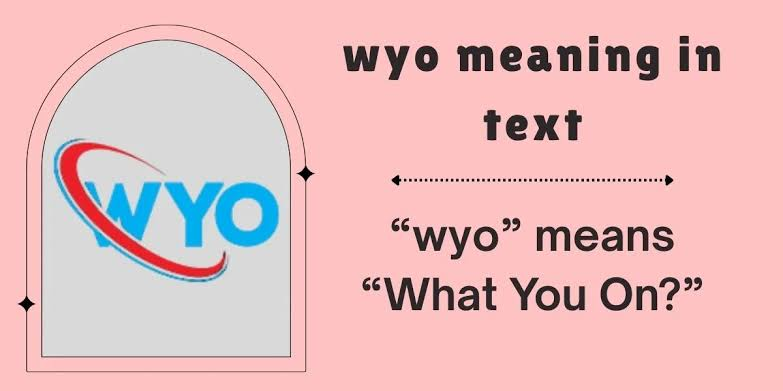
In most texting and social-media conversations, WYO stands for “What you on?” Depending on the context, it can function similarly to “What are you doing?” or “What are you up to?”
The expression is informal rather than grammatically conventional. Nevertheless, its meaning is usually easy to understand when it appears in a casual conversation. Someone might send WYO when they want to start a conversation, check whether another person is free, or find out what is happening at the moment.
Because digital communication often depends on speed and familiarity, abbreviations like this can carry a conversational tone that a more formal sentence might not.
Why Short Expressions Matter in Digital Communication
Texting has changed the way people think about language. Instead of treating every message like a complete written sentence, users often communicate through fragments, abbreviations, emojis, and shortened expressions.
Consequently, WYO can feel more relaxed than asking, “What are you doing right now?” The shorter version requires less effort and fits naturally into fast-moving conversations. Moreover, its informality can make an interaction feel spontaneous rather than carefully composed.
This is one reason internet slang continues to evolve. Once an abbreviation becomes familiar within a social group, its meaning can be understood almost instantly.
How WYO Is Used in Everyday Conversations
The meaning of WYO depends partly on the situation. Someone asking WYO may simply want to know what another person is doing. In another context, however, the message could be an invitation to continue talking or even a subtle way of asking whether someone is available.
For example, a casual exchange might look like this:
Person A: WYO?
Person B: Just finished homework. You?
Person A: Same, just relaxing.
Here, the abbreviation works as a simple conversation opener.
Similarly, someone might write WYO before suggesting plans. The question does not necessarily mean that the sender wants detailed information. Instead, it can simply create an opening for further conversation.
The Social Tone Behind the Abbreviation
Language is not only about literal meaning. It also communicates mood, familiarity, and social distance.
That distinction matters with WYO. Because the expression belongs to informal digital language, it generally feels more casual than a formal question. Therefore, it is more likely to appear in messages between friends, classmates, acquaintances, or people who already communicate comfortably.
At the same time, context remains important. An abbreviation that feels perfectly natural between close friends may seem unusual in a professional email or formal conversation. Digital fluency involves understanding not only what an expression means but also when it is appropriate to use.
WYO and the Culture of Internet Slang
The popularity of short expressions reflects a broader cultural phenomenon. Online communication has created an environment where language can change rapidly, often through social media, messaging platforms, gaming communities, and other digital spaces.
Unlike traditional vocabulary, internet slang can spread quickly between communities. A phrase may begin within a particular group and eventually become recognizable to a much wider audience.
WYO belongs to this larger culture of linguistic compression. Similar expressions reduce longer questions into compact forms while preserving enough meaning for participants to understand each other.
| Expression | Common interpretation | Typical tone |
|---|---|---|
| WYO | What you on? / What are you up to? | Casual |
| WYD | What are you doing? | Casual |
| HBU | How about you? | Casual |
| WYA | Where you at? | Casual |
| LMK | Let me know | Informal |
The important point is that these abbreviations are shaped by context. Their precise interpretation can vary slightly between conversations and communities.
WYO vs. WYD: Are They the Same?
WYO and WYD can appear similar, but they are not always interchangeable.
WYD generally means “What are you doing?” and tends to focus specifically on someone’s current activity. WYO, by contrast, can have a somewhat broader conversational meaning. It may ask what someone is doing, what they are up to, or what plans they have.
Because both expressions are informal, the difference is often subtle. In many everyday conversations, either could naturally lead into the same kind of discussion.
The surrounding messages usually provide the clearest indication of what the sender intends.
Why Context Changes the Meaning
One of the most interesting features of texting language is that meaning often comes from the conversation surrounding a phrase rather than from the abbreviation alone.
For example, if someone writes WYO late in the afternoon, they might simply be checking what their friend is doing. If the conversation has already involved weekend plans, however, the same abbreviation could be understood as asking what those plans are.
Therefore, interpreting digital slang requires more than expanding the letters. Readers also need to consider the relationship between the speakers, the previous messages, and the situation.
Is WYO Appropriate in Formal Writing?
Generally, WYO is best reserved for informal communication. It can work naturally in text messages, social-media conversations, and casual online chats.
However, professional emails, school assignments, formal applications, and official correspondence usually require conventional language. In those situations, phrases such as “What are you doing?” or “What are your plans?” are clearer and more appropriate.
This distinction illustrates an important principle of modern communication: effective language is not necessarily about using the most sophisticated vocabulary. Instead, it is about choosing language that suits the audience and situation.
Why People Continue to Create New Abbreviations
Digital language constantly changes because communication technology encourages experimentation. People want to type quickly, but they also want their messages to sound natural and personal.
As a result, abbreviations emerge organically. Some become widely recognized, while others disappear after a short period. Their popularity can depend on age groups, online communities, regional language habits, and changing social-media trends.
WYO is therefore more than a collection of letters. It represents the way digital communities adapt language to suit a faster, more conversational environment.
Frequently Asked Questions
What does WYO mean in text?
WYO commonly means “What you on?” It is an informal way of asking what someone is doing, what they are up to, or what they have planned.
Is WYO the same as WYD?
Not exactly. WYD usually means “What are you doing?” while WYO can have a slightly broader meaning. However, their practical use can overlap in casual conversations.
Is WYO considered slang?
Yes. WYO is generally associated with informal texting and internet slang rather than standard formal English.
Can WYO be used professionally?
It is usually better to avoid it in professional communication. A complete phrase is clearer and more appropriate for formal settings.
Conclusion
WYO meaning in text demonstrates how quickly language can adapt to changing communication habits. What looks like a simple abbreviation carries information about tone, familiarity, speed, and the social environment in which a conversation takes place.
Ultimately, expressions such as WYO show that modern language is not becoming simpler so much as becoming more flexible. People continue to reshape familiar words and phrases to match the rhythm of digital life. Understanding these expressions therefore means understanding more than their literal definitions. It means recognizing the cultural habits, relationships, and conversational contexts that give short messages their meaning.