Zingyzon.com in USA has become an intriguing search phrase for readers trying to understand what stands behind the Zingyzon name online. At first glance, the name appears straightforward, yet a closer look reveals a more complicated digital landscape involving websites with similar branding and different areas of focus. For American readers, therefore, the important question is not simply what Zingyzon is, but which website they have actually encountered and what that particular platform provides.
Why the Zingyzon Name Attracts Attention
The modern internet is filled with information platforms that combine several subjects under one digital roof. Zingyzon belongs to a search environment where technology, business, lifestyle, travel, home improvement, and practical guides can appear under related branding. One currently indexed Zingyzon publication describes itself as a broad informational platform covering business, health, technology, home improvement, and travel.
For American readers, this broad editorial approach can be useful because online audiences increasingly move between subjects during the same browsing session. Someone researching a technology trend may later look for home advice, while another reader interested in travel may also want practical lifestyle information. Consequently, a multi-topic publication can reflect the way people naturally consume information online.
What Zingyzon.com in USA Means to American Readers
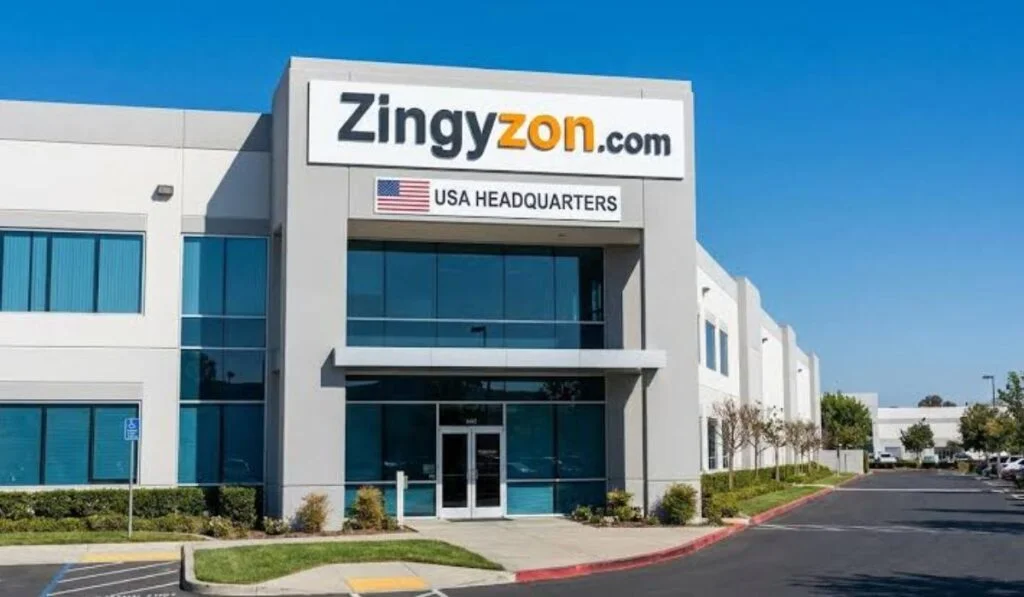
The phrase Zingyzon.com in USA does not necessarily establish that there is a separate American corporation or an independently operated U.S. version of the website. Current online references instead suggest that “USA” is often used to describe the intended audience or regional relevance of content.
That distinction matters. A website can publish material aimed at American readers without being a U.S.-registered company. Likewise, a page mentioning American consumers does not by itself prove American ownership, headquarters, or incorporation. Readers should therefore examine the actual domain, contact information, editorial identity, and stated purpose before drawing conclusions.
| What readers may want to know | What the available evidence suggests |
|---|---|
| Is the content relevant to U.S. readers? | Some Zingyzon-branded content explicitly discusses the USA and American audiences. |
| Is there clearly a separate U.S. website? | The evidence does not clearly establish a distinct country-specific domain. |
| What subjects appear under the Zingyzon name? | Technology, business, lifestyle, travel, home improvement, health, and related practical topics appear across indexed Zingyzon publications. |
| Are all Zingyzon-branded domains the same organization? | No. Several similarly named domains have different stated purposes. |
A Broad Editorial Identity in a Narrowing Digital World
One interesting feature of the Zingyzon search landscape is its breadth. Rather than concentrating exclusively on one subject, some versions of the publication present articles across multiple categories. Recent indexed material includes subjects such as technology, business, health, travel, gaming, and digital trends.
This reflects a wider change in online publishing. Readers no longer necessarily separate their interests into traditional magazine categories. A single search journey can move from a software question to a business topic, then to travel planning or home improvement.
Therefore, the appeal of a broad informational platform lies partly in convenience. Readers can encounter different subjects within a familiar publishing environment, provided the individual articles are clear about their sources, scope, and limitations.
The Importance of Checking the Exact Domain
The most important lesson surrounding Zingyzon.com in USA is the value of domain awareness. Several websites using variations of the Zingyzon name currently appear in search results, and they do not all describe themselves in the same way.
For example, one Zingyzon-branded site focuses on business, health, technology, home improvement, and travel. Another presents itself around home living, appliances, gardening, and digital marketing for Australian and American audiences. Meanwhile, a separate Zingyzon-branded Australian business promotes digital marketing, SEO, advertising, and website development services.
Consequently, readers should not assume that every website containing the word “Zingyzon” belongs to the same operation.
What Makes Regional Content Useful?
American readers often expect information to reflect local realities. Product availability, regulations, climate, energy costs, terminology, consumer habits, and even seasonal priorities can vary considerably between countries.
That is why regional context can make an informational article more meaningful. A general explanation may provide useful background, but a U.S.-oriented article can become more practical when it considers the circumstances American readers actually face.
Some Zingyzon-related material explicitly presents content for both Australia and the United States, including home appliances, gardening, and home improvement. Such regional positioning illustrates how digital publications increasingly try to adapt broad subjects to different audiences.
From Search Query to Reader Experience
The phrase Zingyzon.com in USA also reveals something about how people use search engines. A person entering a branded phrase is usually looking for clarification rather than entertainment. They may want to know what the website does, whether it is relevant to them, or whether they have found the correct site.
That makes transparency particularly important. A useful website should communicate its purpose quickly, explain what readers can expect, and make it possible to distinguish editorial information from commercial material.
In an increasingly crowded internet, these details influence the quality of the reader experience just as much as the article itself.
Why Digital Identity Matters More Than Ever
A recognizable digital identity is difficult to build when several domains have similar names. Searchers may encounter different descriptions before reaching the page they actually intended to visit. This can create uncertainty even when individual websites are perfectly legitimate.
For that reason, readers should look beyond a familiar name. The domain ending, about page, contact information, publication categories, and the specific claims made by the site all provide useful context.
This is particularly relevant when a website discusses purchases, professional services, travel, finance, health, or other subjects where readers may need authoritative information. In such cases, independent verification and official sources remain important.
The Human Side of Information Websites
Behind every search for a website is a human need. Someone may be looking for an answer during a lunch break, researching a purchase late at night, comparing ideas for a home project, or simply trying to understand a new technology.
The strongest informational publications recognize this reality. They do not merely fill pages with keywords. Instead, they attempt to turn complicated subjects into understandable stories, explanations, and practical guidance.
That reader-first philosophy is especially important for broad publications. When a website covers many subjects, clarity becomes the thread connecting otherwise different topics.
What Readers Should Look For
Anyone researching Zingyzon.com in USA can use a few straightforward checks before relying heavily on a particular page:
- Confirm the exact domain name.
- Read the site’s About or editorial information.
- Check whether the article identifies its sources.
- Look for dates and updates on time-sensitive information.
- Distinguish editorial guidance from advertising or commercial claims.
- For legal, immigration, health, financial, or regulatory questions, verify important details with appropriate official sources.
These habits are useful well beyond Zingyzon. They are part of becoming a more informed internet reader.
Frequently Asked Questions
Is Zingyzon.com in USA a separate American website?
The available evidence does not clearly establish a separate U.S.-only website. The phrase appears to be used in connection with content intended for American readers, while similarly named websites operate across different niches.
What topics are associated with Zingyzon?
Indexed Zingyzon-branded publications cover subjects including technology, business, health, travel, home improvement, lifestyle, and digital marketing. However, the exact topics depend on the specific domain being viewed.
Are all websites using the Zingyzon name connected?
Readers should not automatically assume that they are. Search results show different Zingyzon-branded domains with substantially different descriptions and services.
Why does the USA keyword appear with the name?
The USA qualifier appears to reflect interest from or relevance to American audiences. However, regional targeting should not automatically be interpreted as proof of U.S. ownership or incorporation.
Conclusion
Zingyzon.com in USA is best understood through the broader story of modern online publishing: readers want useful information, while search engines bring together websites that may share similar names but have very different identities. The Zingyzon search landscape illustrates why checking the exact domain and understanding a site’s stated purpose can be more informative than relying on a brand name alone.
For American readers, the real value of any informational platform ultimately comes down to clarity, relevance, transparency, and responsible sourcing. As the internet continues to expand, those qualities will remain essential. A memorable name may bring a reader to a website, but useful information and a clear editorial identity are what give that visit lasting value.