Introduction
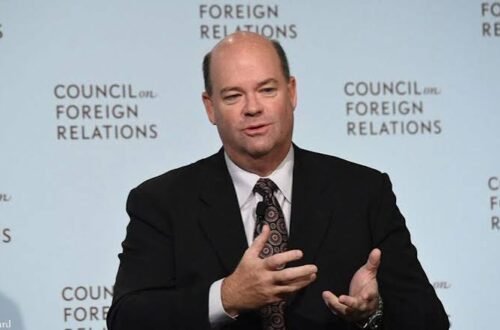
Jeff Martin and David Cordani are business executives whose careers offer insight into leadership across two essential industries. Martin is associated with Sempra, a major energy infrastructure company, while Cordani built his professional reputation at The Cigna Group, a global healthcare services organization. Although their professional paths differ, both careers highlight the responsibilities that come with leading large organizations. By exploring their backgrounds, achievements, and leadership roles, readers can better understand how executives influence business strategy, organizational development, and the services that people rely on every day.
Who Are Jeff Martin and David Cordani?
Jeffrey W. Martin is an American business executive known for his leadership at Sempra, which operates in the energy infrastructure sector. David Cordani is a prominent healthcare executive who spent decades advancing through leadership positions at Cigna. Their names may appear together in online searches, but their documented professional backgrounds are connected to separate organizations.
Understanding this distinction is important because a shared search phrase does not necessarily indicate a personal relationship or a joint business venture. Instead, their careers provide an opportunity to examine how leadership works across industries that serve fundamental public needs.
Jeff Martin’s Career in the Energy Sector
Jeff Martin has built his career around energy infrastructure, an industry that requires long-term planning, substantial investment, and careful attention to reliability. As chairman, president, and chief executive officer of Sempra, he oversees a business operating in a sector that supports households, commercial activity, and economic development.
Energy companies face increasingly complex decisions. For example, they must maintain dependable services while responding to changing technology, infrastructure requirements, environmental priorities, and customer expectations. Consequently, Martin’s leadership involves balancing current operational responsibilities with investments designed to support future demand.
His professional background also includes education at the United States Military Academy at West Point. Such experience provides context for understanding his leadership journey, although an executive’s effectiveness ultimately depends on decisions, organizational performance, and the ability to respond to changing circumstances.
David Cordani’s Professional Journey at Cigna
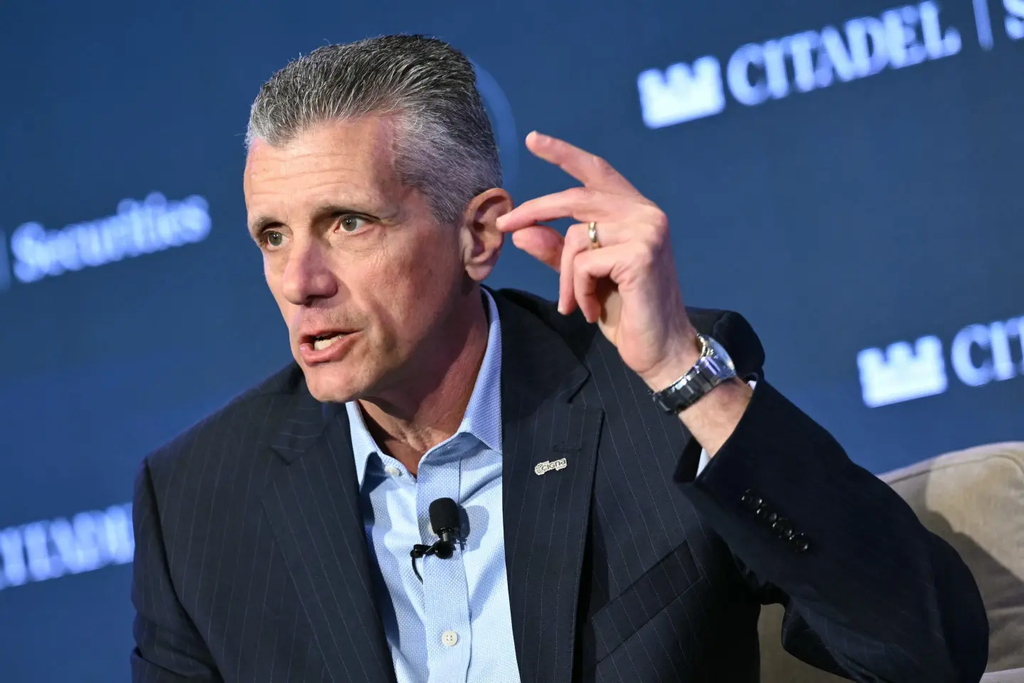
David Cordani’s career demonstrates how professional development within one organization can lead to senior executive responsibility. He joined Cigna in 1991 and progressed through several management positions before becoming president in 2008 and chief executive officer in 2009.
During his tenure, the company expanded its healthcare services business and developed a stronger focus on customer needs, data, and integrated health services. However, healthcare leadership presents challenges that extend beyond ordinary commercial objectives. Organizations must consider affordability, access to services, customer experience, and the complexity of healthcare systems.
In July 2026, Cordani transitioned to the role of executive chair of The Cigna Group, with Brian Evanko succeeding him as chief executive officer. This transition marked a new stage in Cordani’s long association with the company and illustrated the importance of succession planning in major organizations.
Comparing Their Professional Backgrounds
Although Martin and Cordani work in different industries, their careers share several broad themes, including strategic planning, organizational responsibility, and the management of large businesses. Their professional differences become clearer when their roles are compared directly.
| Category | Jeff Martin | David Cordani |
|---|---|---|
| Industry | Energy infrastructure | Healthcare services |
| Organization | Sempra | The Cigna Group |
| Leadership role | Chairman, president, and CEO | Executive chair since July 2026 |
| Career focus | Energy systems and infrastructure investment | Healthcare services and organizational growth |
| Major challenge | Balancing energy reliability with future investment | Responding to evolving healthcare needs and customer expectations |
This comparison demonstrates that executive leadership does not follow a single formula. Instead, the priorities of each leader are shaped by the needs, regulations, and responsibilities of the industry in which the organization operates.
What Their Careers Reveal About Corporate Leadership
Modern business leaders must look beyond short-term financial results. While profitability and growth remain important, successful organizations also depend on employees, customer confidence, effective management, and long-term planning.
In the energy sector, infrastructure decisions can influence the reliability of essential services for years. In healthcare, decisions about services and organizational priorities can shape how customers interact with complicated systems. Therefore, executives must consider how their strategies affect people as well as shareholders.
Martin’s and Cordani’s careers illustrate different versions of this responsibility. Their professional experiences also demonstrate why leaders need to adapt to industry changes without losing sight of their organizations’ central purpose.
The Human Impact of Their Industries
Energy and healthcare may appear to be unrelated fields, yet both influence everyday life in significant ways. Reliable energy supports homes, schools, hospitals, transportation, and businesses. Healthcare services, meanwhile, help people navigate coverage, treatment-related decisions, and other essential needs.
For this reason, leadership in either industry carries responsibilities beyond the executive office. Employees need clear direction, customers expect reliable service, and communities depend on organizations to operate responsibly.
Corporate achievements are often measured through financial results, expansion, and operational performance. Nevertheless, a broader understanding of success also considers service quality, transparency, and the ability to maintain public trust. These factors provide a useful framework for examining the responsibilities associated with both careers.
Why Leadership Transitions Matter
Executive succession is an important part of organizational stability. When a chief executive changes roles or leaves a position, a company must preserve valuable experience while making room for new ideas and priorities.
Cordani’s transition to executive chair illustrates one approach to succession planning. His extensive experience at Cigna can provide continuity while the incoming chief executive assumes responsibility for day-to-day leadership.
Meanwhile, Martin’s position at Sempra places continued emphasis on strategic direction and long-term infrastructure planning. Although the companies face different circumstances, both examples demonstrate that leadership involves more than the achievements of one individual. Organizational systems, experienced teams, and clearly defined responsibilities also play important roles.
Are Jeff Martin and David Cordani Connected?
Jeff Martin and David Cordani are associated with separate companies and industries. Martin’s publicly documented executive career centers on Sempra, whereas Cordani’s professional background centers on Cigna.
There is no established connection between them in the biographical information discussed here. Their names appearing together in a search query should therefore not be treated as evidence of a personal relationship, family connection, or shared business project.
For readers researching business executives, this distinction is especially important. Reliable biographical writing should separate verified facts from assumptions and avoid presenting speculation as established information.
Conclusion
Jeff Martin and David Cordani have followed different professional paths, yet their careers offer valuable perspectives on leadership in essential industries. Martin’s work in energy infrastructure highlights the importance of reliability, investment, and long-term planning. Cordani’s career in healthcare services illustrates the challenges of organizational growth, customer relationships, and executive succession.
Their professional experiences show that effective leadership requires more than authority or commercial success. It also involves understanding the needs of the people an organization serves, adapting to changing circumstances, and maintaining a responsible long-term vision. Although their documented careers do not establish a direct connection between them, comparing their roles provides a meaningful way to explore the influence and responsibilities of modern corporate leadership.