Lena Gieseke is a German artist and visual creator whose career sits at the intersection of art, digital imagery, animation, and cinematic storytelling. Although she has attracted public attention partly through her association with filmmaker Tim Burton, her professional identity extends beyond that relationship. Her work reflects a broader creative culture in which traditional artistic skills increasingly meet digital technology. Consequently, exploring her career offers an opportunity to understand how visual artists can move between disciplines while maintaining a distinctive creative perspective.
An Artist Shaped by Traditional and Digital Creativity
Gieseke’s background is particularly interesting because her artistic work connects physical and digital approaches to visual expression. Rather than treating technology as separate from traditional art, her career demonstrates how the two can complement one another. Digital tools allow artists to construct environments, manipulate images, and develop visual concepts with considerable flexibility. At the same time, an understanding of composition, texture, proportion, and visual storytelling remains important. Therefore, her career can be viewed as part of a larger transformation in contemporary creative practice.
From Art Education to Visual Storytelling
An artist’s education often provides the foundation for the way they later approach creative projects. For Gieseke, artistic training helped establish an understanding of visual structure and experimentation. Over time, those skills could be applied to increasingly technological forms of production. This transition mirrors a significant change within the creative industries, where artists are no longer confined to a single medium. Instead, painting, photography, computer graphics, animation, and film can overlap. As a result, modern visual artists can develop careers that are considerably more fluid than those of previous generations.
The Cinematic Dimension of Her Work
Cinema has long depended on artists who can turn abstract ideas into convincing visual environments. Gieseke’s professional interests connect naturally with this tradition. Digital imagery can help filmmakers imagine spaces, characters, objects, and atmospheres before or during production. Moreover, visual experimentation can influence the emotional character of a finished project.
This relationship between art and cinema is important because audiences often notice the final image without considering the many creative decisions behind it. Lighting, perspective, color, texture, and composition can determine whether a fictional world feels believable or dreamlike. Gieseke’s career therefore belongs to a creative field where technical knowledge and artistic imagination increasingly operate together.
Lena Gieseke and Tim Burton
Public interest in Lena Gieseke has also been influenced by her former marriage to Tim Burton, one of the most recognizable filmmakers associated with distinctive gothic and fantastical visual storytelling. The two were married in the late 1980s and later divorced.
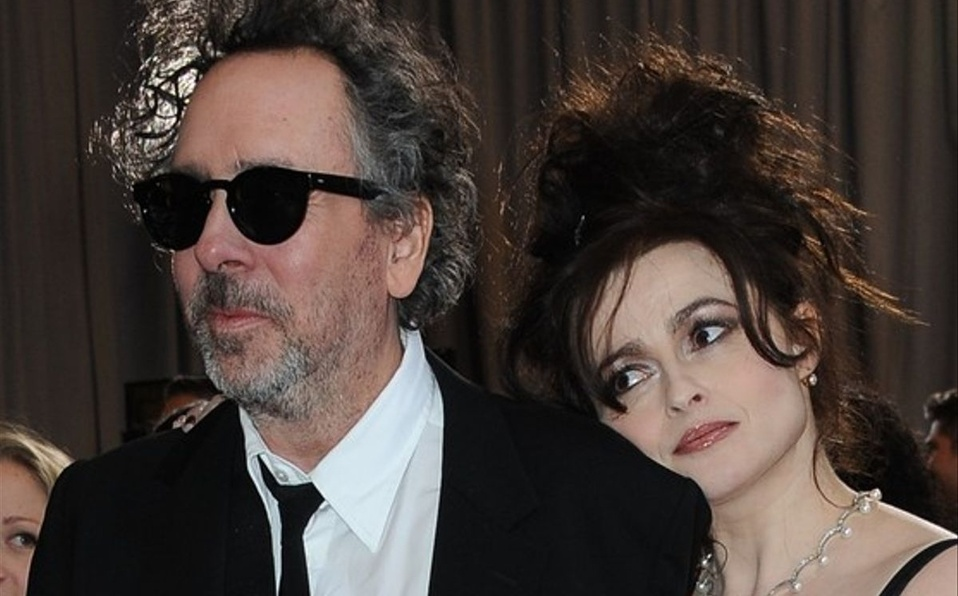
Their relationship has frequently appeared in biographies and entertainment coverage, yet reducing Gieseke’s identity to Burton’s former spouse overlooks the professional dimension of her own career. In fact, her artistic background makes her interesting independently of the relationship. The connection is useful as biographical context, but it should not become the sole lens through which her work is understood.
| Person | Role | Relevance |
|---|---|---|
| Lena Gieseke | Artist and visual creator | Known for work involving art, imagery, and digital visual production |
| Tim Burton | Filmmaker and artist | Former husband of Gieseke and a major figure in contemporary cinema |
Why Her Career Matters Beyond Celebrity Connections
Celebrity relationships can generate attention quickly, but artistic careers usually require a different kind of examination. Gieseke’s story illustrates this distinction clearly. Public curiosity may begin with her connection to a famous filmmaker; however, a deeper look moves toward questions about artistic identity, professional development, and creative independence.
This is particularly relevant in an era when artists are increasingly visible online. Social platforms often compress complex careers into short biographies, relationship histories, or easily searchable facts. Yet creative work rarely fits neatly into those categories. Consequently, understanding an artist requires attention to the skills and disciplines that shape their work, rather than simply the famous people appearing in their biography.
Digital Art and the Changing Creative Landscape
The broader significance of Gieseke’s career becomes clearer when considered alongside the development of digital art. Computers have transformed how artists create and present visual material. Today, digital artists can work with three-dimensional modeling, image manipulation, animation, compositing, and other techniques that were once highly specialized.
Nevertheless, technology alone does not produce compelling art. The creative decision remains central: what should an image communicate, what atmosphere should it establish, and how should viewers experience it? Those questions connect digital artists with generations of traditional artists. The tools may change, but visual storytelling continues to depend on observation, imagination, and deliberate choices.
A Career That Resists Simple Categorization
One of the most compelling aspects of Gieseke’s professional identity is that it does not fit comfortably into one narrow category. She can be discussed through the worlds of art, digital imagery, cinema, and popular culture. Such crossover is increasingly common, particularly among artists whose skills have developed alongside rapidly changing technologies.
Furthermore, this kind of multidisciplinary career challenges the assumption that an artist must have one permanent professional label. A person may move between creative industries as new opportunities emerge. In Gieseke’s case, the combination of artistic training and technological possibilities provides a useful example of that flexibility.
The Human Story Behind the Public Image
Behind every searchable biography is a more complicated human story. Public figures connected to famous personalities often find that one part of their lives becomes disproportionately visible. Gieseke’s experience demonstrates how easily professional identity can become secondary when a personal connection involves a globally recognized celebrity.
However, there is value in looking beyond the headline. Her story raises a broader cultural question: how should audiences remember people whose careers intersect with fame without being defined entirely by it? The answer lies in recognizing both dimensions—the public biography and the individual creative contribution.
What Makes Lena Gieseke Worth Revisiting Today?
Interest in Lena Gieseke continues partly because her story sits at several cultural crossroads. She represents an era when traditional artistic practice increasingly encountered digital technology, while her connection to Burton places her within the history of modern cinema and popular culture.
At the same time, renewed interest in visual artists has made audiences more curious about the people working behind recognizable images. Rather than viewing Gieseke simply through celebrity associations, readers can consider her career as an example of how artistic identities evolve. Her story ultimately encourages a wider appreciation of the creative professionals whose contributions may exist outside the spotlight.
Conclusion: Looking Beyond the Familiar Narrative
Lena Gieseke offers more than a footnote in the biography of a famous filmmaker. Her artistic background, connection with digital visual culture, and place within a changing creative landscape provide a broader story about how modern artists build identities across different mediums.
Ultimately, her biography is a reminder that public recognition and artistic identity are not always the same thing. While her relationship with Tim Burton remains an important part of her publicly documented history, it does not have to define the entirety of her story. By looking at her through the lens of art and visual creativity, a more nuanced portrait emerges—one that places the individual, rather than the celebrity connection, at the center.