







Introduction
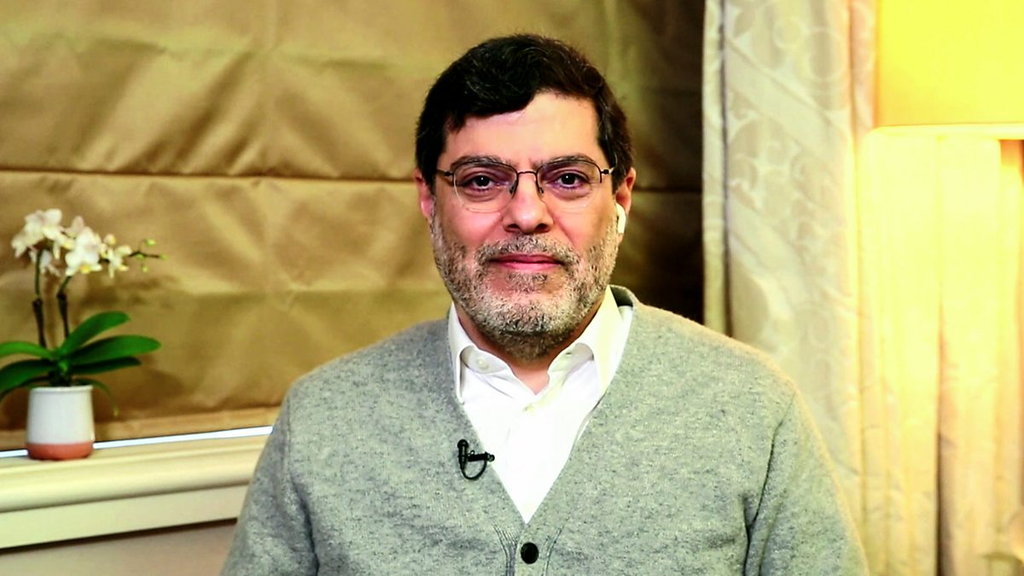
Professor Marandi has become a recognizable name in discussions about Iran, international relations, media representation, and the wider politics of the Middle East. Known more formally as Seyed Mohammad Marandi, he is a professor of English literature and Orientalism at the University of Tehran and has developed a public profile far beyond the traditional university classroom. His career brings together literary scholarship, cultural criticism, and political commentary, creating an unusual professional identity in which academic research and international debate frequently overlap.
Professor Marandi and the Making of an Academic Identity
Marandi’s academic path began at the University of Tehran, where he studied English literature before pursuing doctoral research at the University of Birmingham. His PhD examined Lord Byron, Orientalism, and the way Romantic-era writers engaged with ideas about the East. After completing his doctorate, he returned to Iran in 2003 and continued his academic career at the University of Tehran, progressing from assistant professor to associate professor and eventually full professor.
A Scholar Shaped by Literature and Orientalism
One of the most interesting dimensions of Marandi’s career is the connection between literature and political interpretation. Orientalism is not simply a historical literary subject; it also concerns how societies represent cultures that they perceive as foreign or unfamiliar. Consequently, studying Orientalist traditions can provide a framework for examining modern debates about identity, representation, and power. His academic work has therefore offered a foundation for understanding why questions of cultural portrayal remain important in contemporary discussions about Iran and the West.
Professor Marandi and the World of International Media
Academic careers do not usually lead directly into international television debates, yet Marandi has become a familiar commentator on global news platforms. His own biography notes appearances on outlets including BBC, CNN, Al Jazeera, PBS, ABC, Sky News, and Channel 4. Earlier reporting also documented his frequent participation in Western media discussions about Iran and American foreign policy. As a result, his public identity increasingly developed alongside, rather than separately from, his university career.
From University Scholarship to Geopolitical Commentary
The transition from literary scholarship to geopolitical commentary is central to understanding Marandi’s public presence. His academic interests in representation, culture, and Western perceptions of Iran intersect naturally with debates about international politics. Over time, he has discussed subjects including U.S. policy, regional conflicts, Iranian foreign policy, and media narratives. Importantly, his role should be understood as that of a commentator expressing particular perspectives rather than as an official representative of every Iranian institution or policy position.
The Controversy Around a Public Intellectual
Public intellectuals often attract stronger reactions than scholars who remain within academic circles. Marandi is no exception. Supporters view him as an articulate Iranian voice challenging Western interpretations of his country, while critics argue that his commentary frequently aligns with the political outlook of Iran’s Islamic Republic. Such disagreements are part of the broader debate surrounding his media role. Therefore, evaluating his influence requires distinguishing between his academic credentials, his personal political arguments, and the interpretations offered by outside observers
Professor Marandi in the Context of Iranian Cultural Debate
His career also reflects a larger Iranian intellectual tradition in which literature, history, national identity, and international politics are closely connected. For scholars examining Iran from inside the country, Western portrayals of Iranian society can become an important subject of academic and political discussion. Marandi’s work on Orientalism and representations of Iran fits into this wider intellectual conversation. At the same time, his international media appearances demonstrate how academic arguments can move beyond university departments and become part of global cultural debates.
A Career Between Two Audiences
Perhaps the most distinctive feature of Marandi’s career is the existence of two overlapping audiences. One consists of students, researchers, and readers interested in literature, Orientalism, and cultural studies. The other consists of international viewers following rapidly changing geopolitical events. These audiences demand different forms of communication. Academic work rewards depth and careful interpretation, whereas television commentary often requires concise arguments. Marandi’s public career illustrates how modern scholars can increasingly operate across both environments, bringing university-based expertise into highly contested public conversations.
Understanding His Influence Beyond the Headlines
The significance of Marandi cannot be measured only by the number of television appearances or controversial statements associated with him. His academic background provides an important lens through which his public commentary can be examined. His education in English literature, research into Orientalism, and long association with the University of Tehran all contribute to the perspective he brings to international discussions. At the same time, readers benefit from considering competing viewpoints rather than treating any single commentator as the definitive authority on complex geopolitical questions.
Who Is Professor Marandi? A Quick Profile
| Detail | Information |
|---|---|
| Full name | Seyed Mohammad Marandi |
| Profession | Professor, academic, and political commentator |
| Institution | University of Tehran |
| Academic fields | English literature, Orientalism, North American studies |
| Doctoral institution | University of Birmingham |
| Doctoral research | Lord Byron, criticism, and Orientalism |
| Public role | International commentator on Iran and global affairs |
| Areas of commentary | Iran, U.S. foreign policy, media, and Middle Eastern affairs |
These details help place the public figure within his broader academic career rather than reducing him solely to his appearances in political media.
Why His Story Remains Relevant
The continuing interest in Marandi reflects a broader change in the relationship between academia and public discourse. Today, scholars can reach international audiences through television, digital publications, podcasts, and social platforms almost immediately. Consequently, academic expertise can become part of geopolitical conversations in ways that were far less common in previous generations. His career demonstrates both the possibilities and difficulties of this transition, particularly when scholarship enters politically polarized environments where every statement can be interpreted through competing ideological frameworks.
Conclusion
Professor Marandi represents a distinctive type of modern public intellectual: a university scholar whose expertise in literature and Orientalism has developed alongside a highly visible role in international political commentary. His journey from English literature at the University of Tehran to doctoral research in Britain and later global media appearances illustrates how academic ideas can travel far beyond the classroom.
Ultimately, his significance lies not simply in the positions he expresses, but in the questions his career raises about scholarship, representation, national identity, and the responsibilities of intellectuals in an increasingly polarized media environment. His story invites readers to look beyond headlines and consider how education, culture, history, and politics continually shape one another.